Eco-Traveler Meaning: Sustainable Habits That Matter
What is an eco-traveler?
An eco-traveler is someone who aims to explore new places while reducing negative impacts on the environment and supporting local communities. It’s less about being “perfect” and more about making consistent choices that protect nature, respect culture, and keep tourism dollars circulating locally.
What makes eco-travel different from regular travel?
Eco-travel focuses on minimizing waste, emissions, and disruption to wildlife and habitats. An eco-traveler typically chooses lower-impact transportation when possible, stays in lodging with responsible practices, and prioritizes experiences that don’t exploit animals or damage ecosystems.
Common habits of an eco-traveler
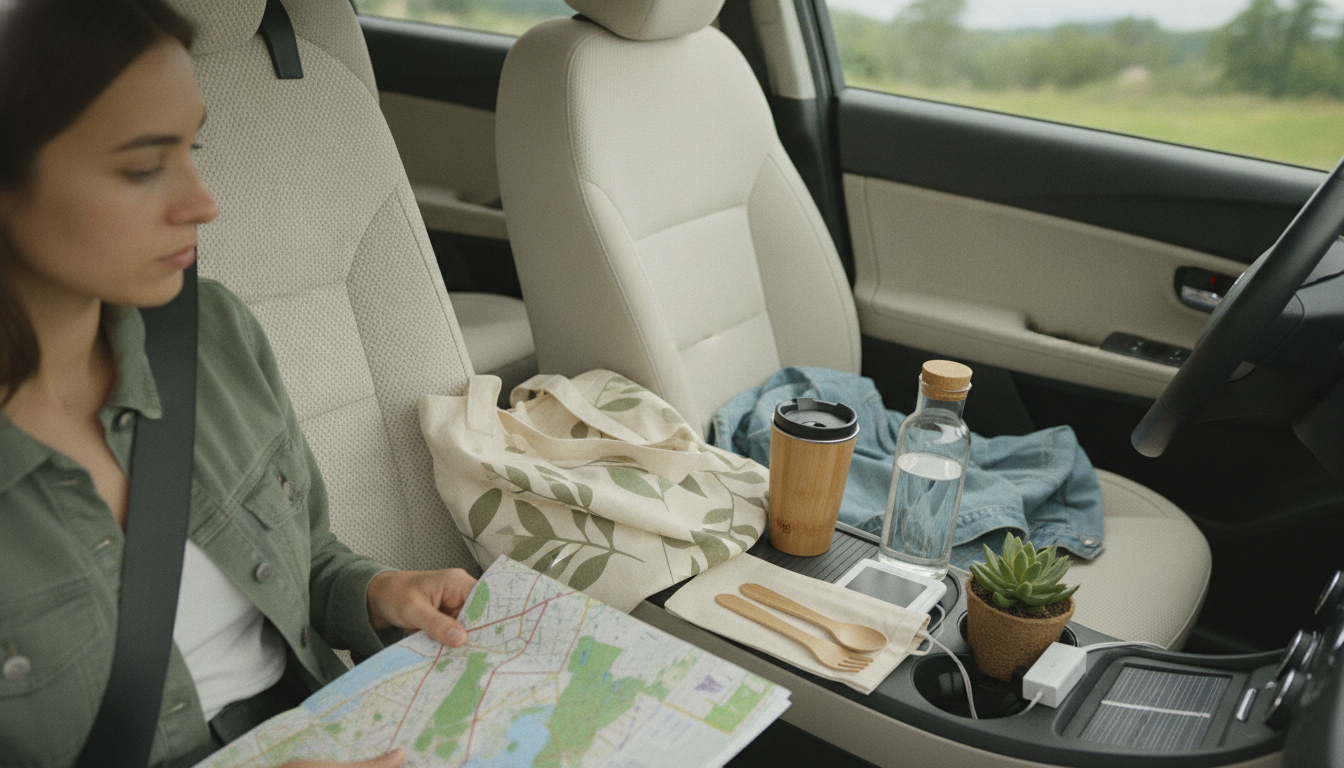
Eco-travelers often plan ahead to avoid unnecessary resource use and to make better on-the-ground decisions. Typical habits include bringing reusables (like a water bottle and tote), selecting reef-safe or non-polluting personal care items, and avoiding single-use plastics. Many also look for walking, biking, and public transit options, or they group activities to reduce extra trips.
They also tend to be thoughtful about where money goes—choosing locally owned shops and guides, eating seasonal regional foods, and paying fair prices for craftsmanship rather than bargaining aggressively.
How to practice eco-travel without overcomplicating it
Start with the biggest, easiest wins: travel less often but stay longer, pack light, and pick non-stop routes when flying. Once you arrive, follow marked trails, keep a respectful distance from wildlife, and dispose of trash properly (or pack it out if bins aren’t available). Choosing tours that limit group size and follow conservation rules can make a meaningful difference.
Learn more
For a deeper look at eco-travel choices and practical examples, visit https://luckyfavoriteshub.shop/what-is-an-eco-traveler/.
For Eco-Traveler Meaning: Sustainable Habits That Matter, the best answer depends on fit, material, care instructions, and how the product will be used day to day.
FAQ
How can I be a more sustainable traveler?
Choose lower-impact transportation, pack reusable essentials, and support local businesses. Stay mindful of water and energy use, and follow local conservation guidelines.











Leave a comment