What Drink Calms Anxiety? Best Soothing Options
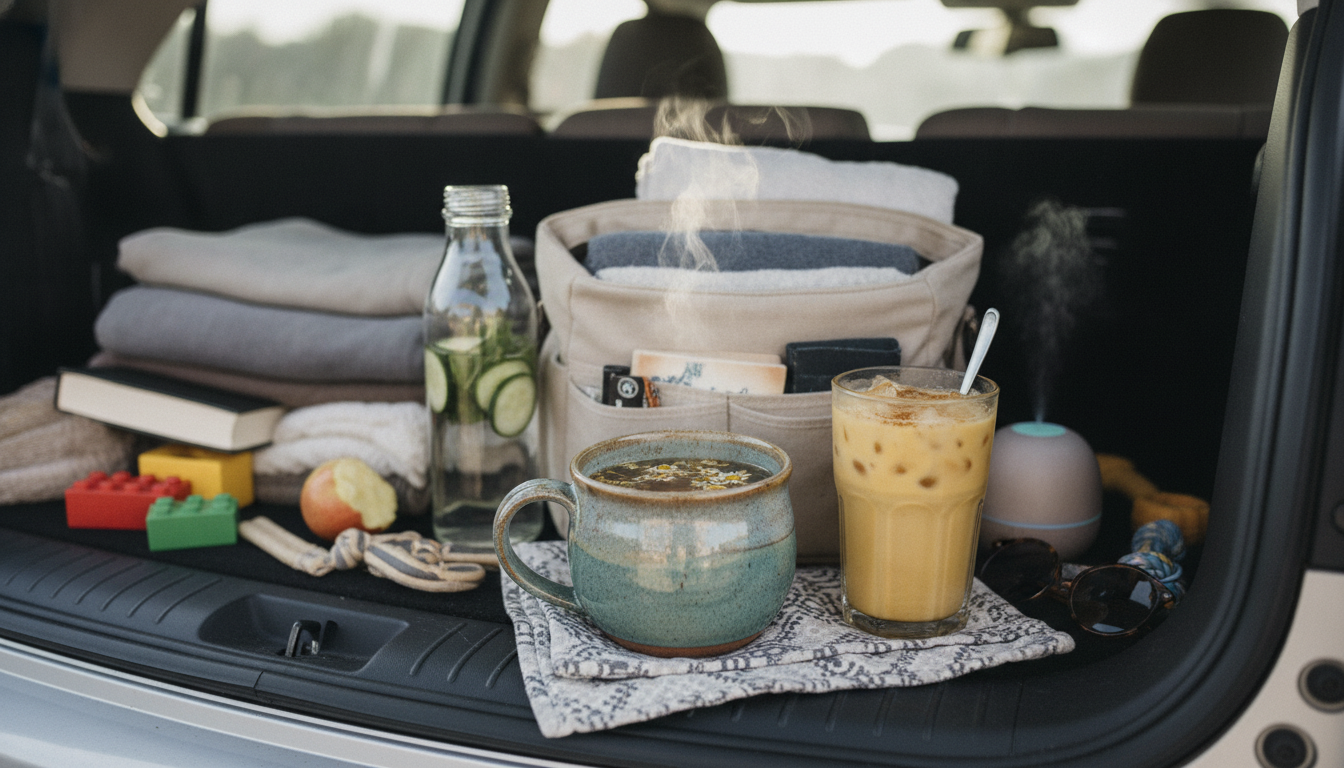
What drink calms anxiety?
For many people, the most reliably calming drinks are caffeine-free options that support hydration, steady blood sugar, and a relaxed nervous system response. While no beverage “cures” anxiety, certain choices can make anxious feelings feel less intense in the moment and help the body settle.
Best calming drinks to try
Herbal teas (caffeine-free)
Herbal tea is a go-to because it’s warm, soothing, and often paired with relaxing rituals like slow breathing. Chamomile is popular for winding down, while peppermint or ginger tea can be helpful if anxiety comes with an upset stomach. If you’re sensitive to caffeine, double-check labels—some “green” or “black” tea blends still contain caffeine.
Warm milk (or a warm dairy-free alternative)
Warm milk is a classic bedtime option. The comfort of a warm drink can signal “safe and calm” to your body, especially when paired with a consistent nighttime routine. If dairy doesn’t agree with you, warm oat milk or almond milk can offer a similar cozy effect.
Water with electrolytes
Dehydration can make symptoms like racing heart, dizziness, and irritability feel worse. If you’ve been sweating, traveling, or drinking alcohol, an electrolyte drink (or water with a pinch of salt and a squeeze of citrus) may help you feel more physically steady.
Decaf green tea
Green tea naturally contains L-theanine, an amino acid associated with a calmer, more focused feeling. Choosing decaf can provide the soothing routine without the jitters caffeine may trigger.
What to limit when you feel anxious
Coffee, energy drinks, and high-sugar beverages can intensify shakiness or restlessness in some people. Alcohol may feel calming at first, but it can disrupt sleep and rebound anxiety later.
For a deeper list of calming sips and practical tips, visit https://luckyfavoriteshub.shop/what-drink-calms-anxiety/.
FAQ
What foods help reduce anxiety fast?
Simple, balanced snacks can help, such as a banana with peanut butter, yogurt with berries, or whole-grain toast with eggs. Pairing protein or healthy fat with carbs may prevent a blood-sugar dip that can mimic anxiety symptoms.








Leave a comment